Impact of Maternal RSV Vaccination on Newborn Health: A Closer Look
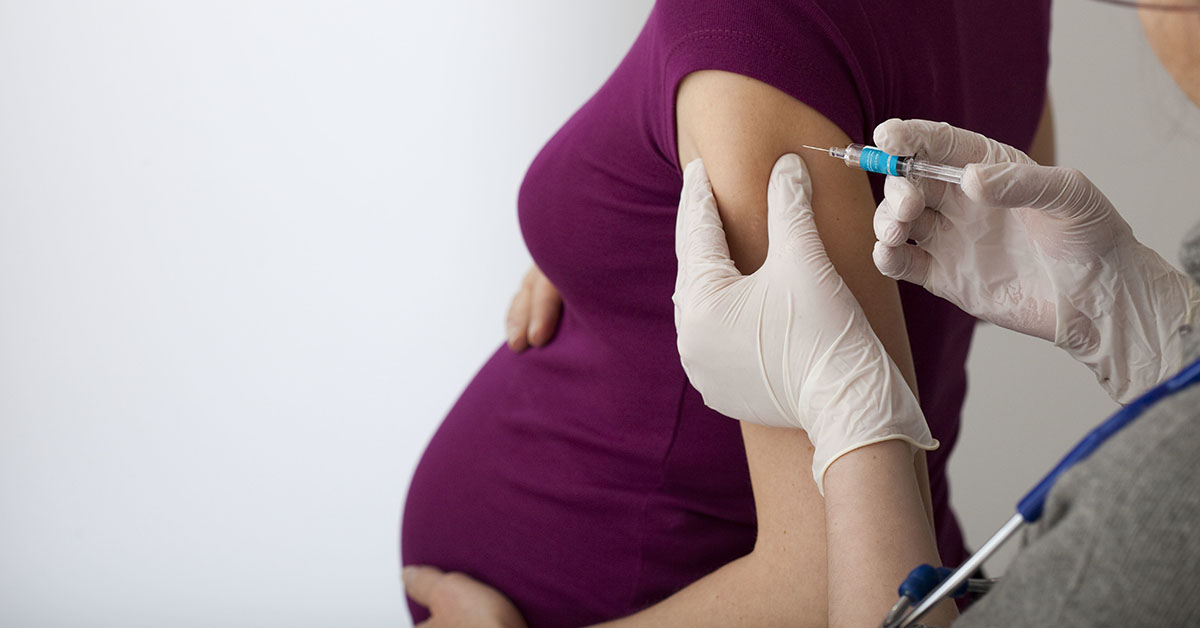
The recent study unveiling a 72% reduction in hospitalizations among newborns when mothers are vaccinated against RSV has sparked significant discussion in the healthcare community. Vaccination during pregnancy not only protects the mother but also offers critical protection to the baby through passed-on antibodies. As an editor with a keen interest in both modern and alternative medicine, I believe this finding deserves a thorough discussion, especially given its potential to reshape how we manage health during pregnancy and infancy.
In this editorial, we’ll dive in and explore the research findings, discuss the key pieces of data, and consider the implications for expectant mothers, healthcare providers, and policy makers. Every angle of this study has far-reaching consequences for maternal and neonatal health. Let’s figure a path through the tricky parts, tangled issues, and hidden details behind the numbers and study design.
Groundbreaking Evidence: How a Single RSV Shot is Protecting Newborn Lives
A UK study, carried out during the 2024–2025 winter season, has demonstrated that vaccinating pregnant women leads to a staggering 72% drop in the rate of hospital admissions for newborns with severe lung infections caused by the respiratory syncytial virus (RSV). RSV is known for causing mild, cold-like symptoms in most adults; however, in infants, it has the potential to lead to severe complications such as bronchiolitis – a lung infection that can become overwhelming and even life-threatening.
By passing on virus-fighting antibodies, vaccinated mothers help shield their infants during the challenging early months of life. These antibodies, which the mother produces in response to vaccination, are transferred to the fetus, providing a protective barrier against RSV until the infant’s immune system matures enough to fend for itself. This natural transfer of immunity is one of the small yet critical details that make maternal immunization so effective.
This breakthrough offers more than just a new medical intervention – it represents a proactive approach to neonatal care. Instead of reacting to infections after they occur, the healthcare system can focus on stopping the problem at its source. This approach can reduce hospital pressures, particularly during the winter months when RSV cases usually spike and healthcare resources are often overwhelmed.
RSV and Its Impact: Untangling the Tricky Issues Behind the Numbers
RSV is more than just a seasonal nuisance; it remains the primary cause of hospitalizations for babies not only here in the UK but globally as well. One significant factor that makes RSV especially concerning is that infants, particularly those in their first six months of life, have underdeveloped immune systems. This leaves them particularly vulnerable to the dangerous effects of the virus.
The study in question examined 537 infants admitted with severe respiratory disease during the first season of vaccine implementation. Out of these, 391 tested positive for RSV. When researchers compared the vaccination status of mothers, they discovered that those whose infants did not test positive were twice as likely to have received the vaccine before delivery. In practical terms, 41% of mothers of RSV-negative babies were vaccinated as opposed to only 19% of the RSV-positive group.
Understanding these differences is key. The data clearly show that when mothers receive the RSV vaccine more than 14 days before delivery, there is a greater protective benefit. This timeline enables sufficient time for antibody production and transmission, resulting in a 72% reduction in the risk of hospitalization in newborns. However, for mothers vaccinated closer to delivery, the benefit, while still significant, drops to a 58% reduction.
These fine points – such as the timing and method of vaccination – form the nitty-gritty of maternal immunization. To truly appreciate the benefits of the vaccine, one must look at both the broad picture of reduced hospitalizations and the subtle details of how maternal immunity is built up and passed on to infants.
Understanding Maternal-Fetal Antibody Transfer: A Protective Shield
One of the most fascinating aspects of this study is the mechanism that protects infants—the transplacental transfer of antibodies. This natural process is akin to a biological hand-off, where the mother’s immune response to the vaccine is passed on to the baby. The result is an immune shield that remains active during the period when the infant is most vulnerable.
Although the process might seem straightforward, there are many little twists that can affect its efficiency. For instance, the timing of the vaccination plays a critical role. When a vaccine is administered earlier in the third trimester, it allows more time for the mother’s immune system to produce a robust antibody response and for these antibodies to be efficiently transferred to the fetus.
This transfer is essentially the baby’s first dose of immunity – a natural immunization that occurs before any external vaccines are administered to the infant. With stronger antibody protection in the first few months after birth, infants are less likely to require hospitalization due to severe RSV symptoms. This well-timed hand-off could be a game-changer, especially in regions where RSV poses a significant risk to infant health.
Optimal Vaccination Timing During Pregnancy: When Is the Best Time?
The study clearly highlights that the earlier the vaccination during pregnancy, the stronger the shield for the baby. Experts suggest that the vaccine should be administered as soon as it is available from 28 weeks of gestation. The advantage here is that the timeline allows the mother’s body to generate a sufficient level of antibodies and ensures an effective transfer to the fetus.
While the vaccine can be administered up to the time of birth, delaying this preventive measure might lead to less effective antibody production and, consequently, a lower level of passive protection. In other words, the trickier parts of timing can make a significant difference in outcomes. Although some may find this scheduling process intimidating, the overwhelming evidence points to earlier vaccination being the key to maximizing protection.
For healthcare providers and public health professionals, these findings indicate that communicating the importance of early vaccination in pregnancy is super important. It is not just about getting the vaccine, but also about getting it at the right time for optimal benefit, a concept that many in the healthcare community must actively promote.
Barriers to Vaccination: Overcoming Hesitation and Misinformation
Despite the evidently crucial advantages of the RSV vaccine during pregnancy, only about half of expectant mothers in England and Scotland have embraced this preventive strategy. Several reasons contribute to this limited uptake, and understanding these barriers is essential for improving public health outcomes.
Some of the common obstacles include:
- Concerns about vaccine safety during pregnancy
- Lack of awareness about the benefits of maternal immunization
- Misinformation and mixed messages in the media
- Limited access to vaccination services in certain areas
- Cultural and personal beliefs regarding vaccines
Many of these issues are not unique to the RSV vaccine but are shared across various vaccination programs. However, the compelling evidence of reduced hospitalizations for infants should help shift the balance in favor of wide-scale implementation. It is essential that both healthcare professionals and public health policymakers work together to overcome these intimidating barriers. By sorting out the misinformation and bolstering education around maternal immunization, we can help ensure that more mothers feel confident about receiving the vaccine.
Public health campaigns should adopt strategies that are accessible and easy to understand. These campaigns could include community outreach programs, collaboration with local healthcare providers, and transparent sharing of research findings. It is important to remember that the goal here is to protect the most vulnerable among us – our newborns. With the right message, the scary parts of vaccine hesitancy can be addressed effectively, turning potential confusion into informed action.
Healthcare Providers: How to Best Support Expectant Mothers
The role of healthcare providers in improving vaccine uptake cannot be overstated. Physicians, midwives, and nurses are on the frontline of maternal care, and their advice often carries more weight than any written guideline. Their insights and recommendations can help steer through the complicated pieces of vaccine hesitancy and the fine details of maternal immunization.
Healthcare providers need to:
- Educate mothers on the benefits and safety of the RSV vaccine
- Explain the process of antibody transfer in simple, relatable language
- Address any concerns proactively and empathetically
- Guide mothers on the optimal timing and importance of early vaccination
- Collaborate in community-based efforts to spread accurate information
By taking the wheel and managing their way through these issues, healthcare providers can help mitigate some of the off-putting aspects associated with vaccine hesitancy. It is about building trust, engaging in open discussions, and making sure that each expectant mother understands how crucial her decision is to the health of her baby. The responsibility here is shared: the medical community must lead the charge, while policymakers and educators work together to reduce the barriers that so many women face.
Policy Implications: Rethinking Maternal Immunization Strategies
From a policy perspective, these findings demonstrate the potential for vaccination programs to not only improve individual health outcomes but also to alleviate systemic pressures on healthcare facilities. By reducing the number of newborn hospitalizations due to RSV, hospitals could see a significant decrease in winter caseloads, potentially allowing resources to be reallocated to other high-demand areas.
Policy makers should consider:
- Implementing targeted educational programs for expectant mothers
- Ensuring easy access to vaccination services across all regions
- Incorporating maternal RSV vaccination into standard prenatal care guidelines
- Providing incentives for healthcare providers to educate about and administer the vaccine
Some of the subtle parts in public policy are the small distinctions between different regional healthcare capabilities. In some areas, making your way through existing bureaucratic hurdles might be nerve-racking, particularly if resources are strained. However, if policies are reworked with an emphasis on preventive care – turning the focus from reactive hospital-based care to proactive maternal immunization – the long-term benefits could be substantial. There is a critical need to reframe our approach in order to fully capitalize on the incredible potential of this vaccine.
Comparing Maternal Vaccination Strategies: A Closer Look at Data
Let’s take a moment to examine the numbers behind these findings. The following table summarizes the key data points from the study:
| Aspect | Vaccinated Mothers | Non-Vaccinated Mothers |
|---|---|---|
| RSV-Positive Babies | 19% | 41% |
| Reduction in Hospitalizations (Vaccinated >14 Days Before Delivery) | 72% | N/A |
| Reduction in Hospitalizations (Vaccination at Any Time Before Delivery) | 58% | N/A |
This table is a simple yet effective way to see at a glance how powerful the vaccine is when administered in a timely manner. The numbers speak for themselves: early vaccination translates into significant benefits for infant health. For policymakers and healthcare providers alike, these hard facts underscore the urgency of improving vaccination rates among expectant mothers.
Future Directions in Maternal Immunization: Addressing the Overwhelming Demand for Preventive Care
While the current study focuses on RSV, it serves as a model for how maternal immunization can protect newborns against other infectious diseases. With RSV being only one of many threats, there is considerable potential for expanding this preventive approach. Research into other vaccines that can be safely administered during pregnancy is ongoing, and as promising new solutions are developed, the healthcare community needs to be prepared for a broader rollout.
Future studies might explore the following areas:
- The long-term health benefits for infants who receive passive immunity from maternal vaccination
- Cross-protection against other respiratory viruses in the first few months of life
- Comparative studies between maternal vaccination and postnatal vaccination strategies
- Strategies to improve the efficiency of antibody transfer during pregnancy
- The potential impact on healthcare costs and resource allocation
These research avenues are not only fascinating, they are essential. As we dig into the subtle details and tricky parts of maternal immunization, it becomes clear that there is still much to learn. However, every step forward represents an opportunity to protect infants from a range of severe illnesses. The study’s findings are just the tip of the iceberg; they open the door to a future where maternal immunization might be one of the must-have strategies in preventive medicine.
Integrating Alternative Medicine Perspectives: Complementing Conventional Care
Although modern medicine leads the way in maternal immunization, alternative medicine also provides valuable insights. There is considerable interest in integrating complementary approaches that focus on boosting overall maternal and infant health. Alternative treatments may include nutritional strategies, herbal supplements, and lifestyle modifications aimed at supporting the immune system.
Some alternative medicine advocates argue that combining vaccination with holistic health practices can create a more robust preventive framework. Here are a few small distinctions to consider when integrating these approaches:
- Nutritional Support: A balanced diet rich in vitamins and minerals can enhance the body’s natural immunity. Foods high in antioxidants and omega-3 fatty acids are particularly supportive during pregnancy.
- Herbal Supplements: Certain herbs, when taken under professional guidance, might aid in strengthening the immune response, ensuring that the protective effects of vaccines are complemented by overall well-being.
- Lifestyle Modifications: Stress management techniques such as yoga, meditation, and gentle exercise can have a super important role in maintaining a strong immune system during pregnancy.
These approaches are not meant to replace vaccination but to serve as an added layer of support for those interested in comprehensive care. The challenge lies in sorting out which methods are both safe and effective. When combined strategically, modern and alternative medicine can offer mothers a more full-spectrum approach to health, reducing the risk of complications for both themselves and their babies.
Bridging the Gap Between Research and Public Perception
The discovery of the RSV vaccine’s effectiveness in reducing hospitalizations offers a tremendous opportunity to bridge the gap between scientific research and everyday healthcare practices. However, the communication of these findings must be handled with clarity and sensitivity. The study’s outcome is not merely a set of numbers – it is a powerful argument for proactive maternal care. The subtle details, such as timing and dosage, are one thing, but the overall message is simple: early, preventative care can save lives.
It’s essential for media outlets, healthcare institutions, and community leaders to work together to spread this information in an easily digestible format. Simplified explanations, infographics, and personal testimonials can help translate the more complicated pieces of the research into actionable advice for expectant mothers. Here are a few strategies to make these complex topics more accessible:
- Developing succinct, jargon-free information sheets for pregnant women
- Creating interactive online platforms where mothers can ask questions and receive expert advice
- Hosting community webinars and Q&A sessions with healthcare professionals
- Utilizing social media to share positive stories and reliable data concerning maternal vaccination
By managing your way through the tangled issues of scientific communication, stakeholders can ensure that the life-saving potential of the RSV vaccine is not lost in translation.
A Personal Perspective: The Urgent Need for Informed Decision-Making
As someone who has spent years working in healthcare journalism, I have seen both the promise and the challenges of new medical interventions. When I first encountered the data on maternal RSV vaccination, I was impressed by the substantial reduction in newborn hospitalizations. Yet, I was equally aware of the nerve-racking questions that many expectant mothers have: Is it safe? How does it work? What are the potential side effects?
These are not just academic questions; they affect real lives. Mothers want the best for their babies, and navigating the fine points of vaccine science can be overwhelming. It is essential that we, as a community of healthcare experts, provide clear, compassionate guidance. We must work together – from doctors and nurses to public health authorities and community leaders – to ensure that every mother has the information she needs to make an informed decision.
Personally, I believe that the benefits of the RSV vaccine, as demonstrated by this comprehensive study, far outweigh the uncertainties. The science shows that early vaccination offers a crucial protective shield for infants during their most vulnerable early months. In my view, the reduction in hospitalizations is a significant step forward in preventing severe disease and reducing the overall burden on our healthcare system.
Taking a closer look at the small distinctions within the study, it becomes clear that every day counts when it comes to vaccine administration during pregnancy. The earlier the protective antibodies are passed from mother to baby, the stronger the defense against RSV becomes – a finding that should resonate across the board. This is especially critical in an era where healthcare resources are stretched thin, and every preventive measure can make a measurable difference.
Collaboration and the Future of Maternal Health Initiatives
No single entity can tackle all the challenges associated with maternal health and immunization alone. The study, funded by major organizations such as the Wellcome Trust and the NIHR Health Protection Research Unit, underscores the need for broad-based collaboration among academic institutions, healthcare providers, and government agencies. With groups like the University of Edinburgh, University of Leicester, and several prestigious partners coming together, the message is clear: collective efforts are essential for sustained progress.
Looking ahead, the ongoing work in maternal immunization is likely to influence other areas of preventative healthcare. As we see more vaccines being developed for use during pregnancy, the opportunities to ward off other potentially severe infections will multiply. However, the success of these programs will depend on our ability to weave together the best of modern medicine and public policy with accessible outreach and education.
Simply put, the study on maternal RSV vaccination is a call to action that reaches far beyond one virus. It is an invitation to rethink how we protect our most vulnerable populations by focusing on prevention before illness strikes. If expectant mothers are empowered with knowledge and supported by accessible healthcare services, then not only will fewer infants fall ill, but we will also be taking a major step towards a more resilient healthcare system.
Concluding Thoughts: Embracing a Proactive Approach to Maternal and Infant Health
In conclusion, the evidence presented in the recent UK study on maternal RSV vaccination is both compelling and encouraging. By opting for early immunization during pregnancy, mothers are armed with an essential tool to significantly minimize the risk of RSV in their newborns. The research provides a clear indicator that a proactive, preventive approach can have profoundly positive implications for individual families and society as a whole.
While the details can be complicated and the scheduling of vaccinations might feel overwhelming, the benefits of making an informed decision are immense. Through collective efforts—from healthcare providers educating their patients to policy makers securing better access to vaccines—we can work towards a future where fewer infants suffer from severe respiratory infections.
It is my strong belief that the integration of such preventive measures will continue to evolve and shape the landscape of maternal and neonatal care. As we sort out the human, logistical, and policy challenges along the way, let us remember that every step taken now enhances the foundations of a healthier, stronger future. For the sake of our youngest and most vulnerable, we must tackle these tangled issues head-on and embrace the opportunities that modern medicine offers.
The path forward involves both a commitment to scientific innovation and a dedication to ensuring that every mother feels confident and supported in her healthcare decisions. In the end, it is not just a matter of numbers or statistics—it’s about real lives, tangible health outcomes, and the promise of a safer start for each newborn.
In light of all this, I urge healthcare professionals, public health officials, and expectant mothers to come together in embracing maternal immunization as a super important part of prenatal care. The idea that one simple vaccination can reduce hospitalizations by 72% is more than a statistic—it is a milestone in the ongoing effort to protect our children and optimize healthcare outcomes for generations to come.
Moving forward, let us celebrate this significant step while remaining vigilant in our efforts to educate and expand access. As we continue to poke around the fine points and hidden complexities of how preventive care works, every informed choice contributes to a lasting legacy of improved health and reduced strain on our healthcare systems.
Ultimately, the story behind the RSV maternal vaccination is one of hope, collaboration, and the incredible power of proactive medical intervention. With continued research, thoughtful policy, and active community engagement, the future of maternal and infant health looks promising, paving the way for a world where fewer babies are left vulnerable to severe illnesses.
It is time to take this messaging from the lab and translate it into everyday practices that protect lives, support families, and ensure that the promise of modern medicine reaches every corner of our communities. Together, we have the opportunity to rewrite the narrative on infant health, one proactive step at a time.
Originally Post From https://www.sciencedaily.com/releases/2025/07/250720034025.htm
Read more about this topic at
Maternal Immunization: Current Evidence, Progress, and …
Improving rates of maternal immunization: Challenges and …