Introduction: Shepherd’s Purse and Its Role in Women’s Health
Shepherd’s Purse, a Brassicaceae herb long known for its use in traditional medicine, has recently captured the attention of healthcare experts exploring its role in easing abnormal bleeding and supporting overall hormonal balance in women. As modern research begins to back up historical claims, it’s time we take a closer look at this herb’s benefits, tricky parts of its usage, and potential applications in today’s healthcare. In this opinion editorial, we will poke around the plant’s botanical profile, its impact on abnormal menstrual bleeding, its anti-inflammatory and antioxidant actions, and even touch upon safety issues and methods for incorporation into a balanced lifestyle.
While the journey to understand Shepherd’s Purse may seem intimidating at first, its documented historical uses alongside current scientific findings provide a promising glimpse into its benefits for women’s health. Let’s make our way through the twisted turns of traditional use and modern studies to figure a path for its potential as a complementary therapy for heavy bleeding and hormonal imbalances.
A Closer Look at the Botanical and Nutrient Profile
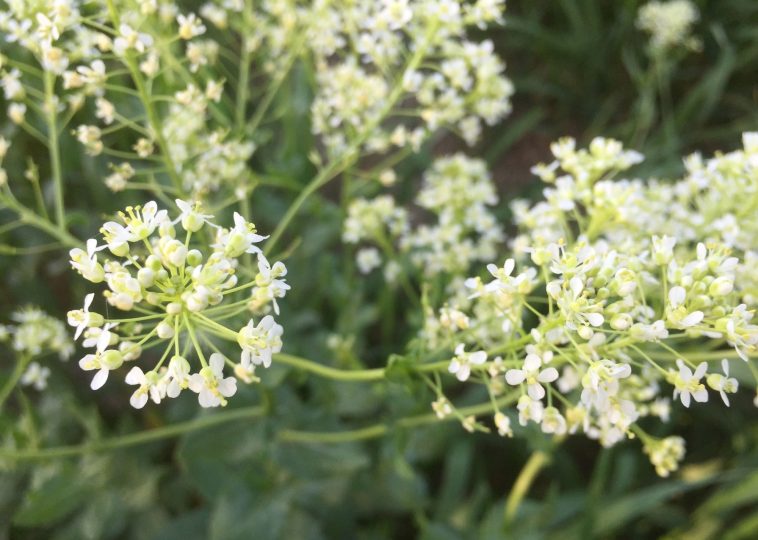
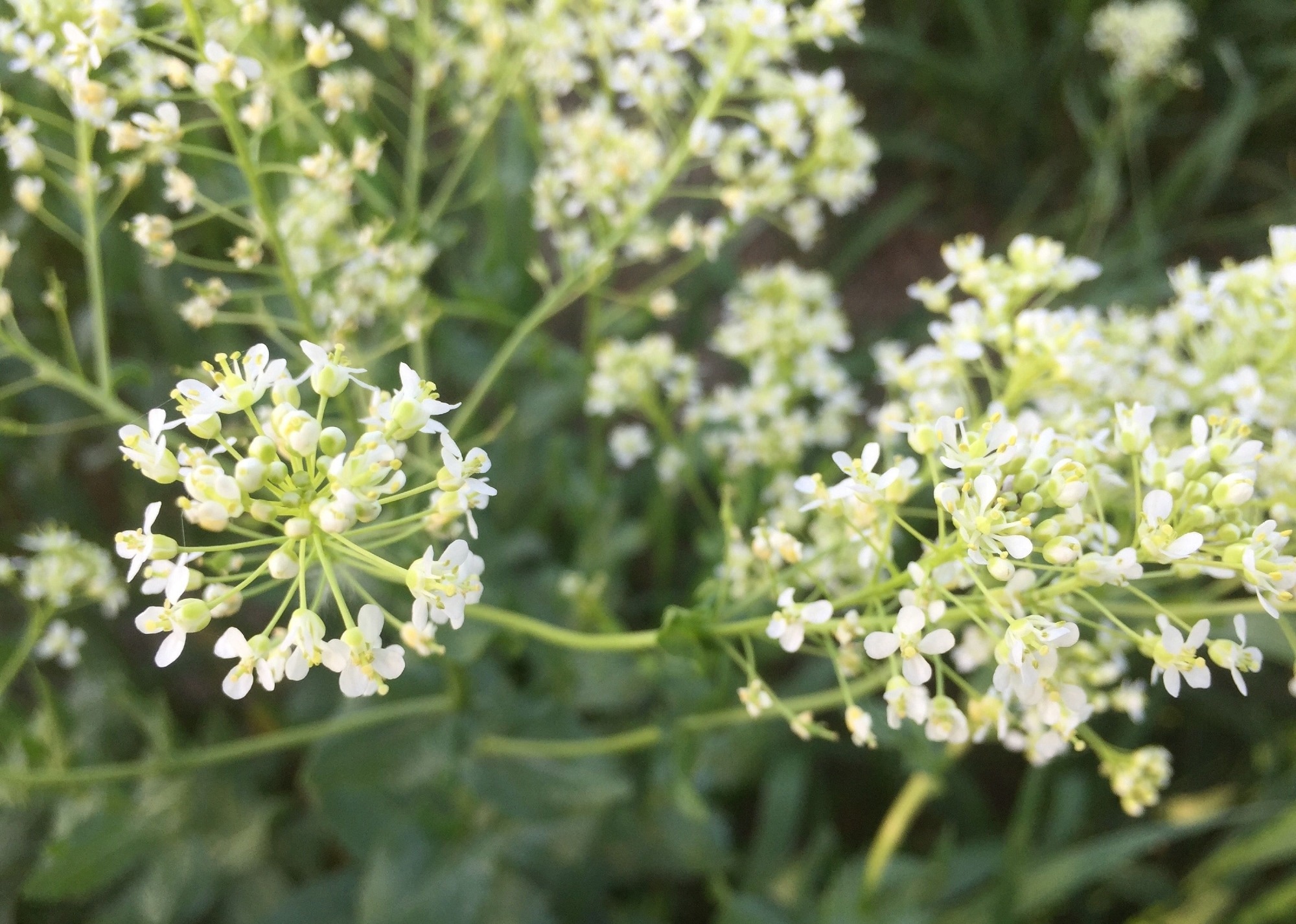
Understanding the botanical makeup of Shepherd’s Purse is super important to appreciate its medicinal uses. The herb is packed with bioactive compounds that many researchers believe contribute to its multiple health benefits, especially in the context of reproductive and hormonal health.
Key Bioactive Components
Shepherd’s Purse contains a complex mix of phytochemicals, including:
- Flavonoids: kaempferol and quercetin derivatives, known for their antioxidant properties.
- Phenolic acids and lignan glycosides: these might contribute to its anti-inflammatory actions.
- Biogenic amines: such as choline, acetylcholine, and histamine, which may help in smooth muscle contraction.
- Glucosinolates and related isothiocyanates: including sulforaphane, known for suppressing certain inflammatory markers.
- Essential vitamins and minerals: vitamins A, C, and the B-complex, along with important minerals like potassium, calcium, iron, zinc, and copper.
These ingredients, while individually powerful, work together in a fine balance, offering a multi-faceted approach to addressing tangled issues related to abnormal bleeding and hormonal irregularities. The inclusion of uterotonic peptides in the mix is of particular interest to those seeking natural ways to promote uterine tone.
Organ-Specific Variability in Phytochemical Profile
One of the more intriguing aspects of Shepherd’s Purse is the variability in its composition. Studies show that the concentration of these powerful flavonoids and other bioactives can vary significantly between plant parts. For example:
| Plant Part | Active Ingredients | Potential Benefits |
|---|---|---|
| Flowers & Fruits | Flavonoids, antioxidants | High antioxidant capacity, supports vascular health |
| Leaves | Phenolic compounds, biogenic amines | May help moderate inflammation and promote uterine tone |
| Stems | Glucosinolates, minor flavonoids | Contributes to the overall anti-inflammatory effect |
Understanding these small distinctions is key when considering how to best utilize Shepherd’s Purse in various therapeutic contexts. It is this mixing of little twists and subtle parts that gives the herb a well-rounded profile, positioning it as a potential agent in easing heavy menstrual bleeding and supporting overall wellness.
Shepherd’s Purse as a Hemostatic Agent for Heavy Menstrual Bleeding
One of the main traditional uses of Shepherd’s Purse has been as a hemostatic agent, particularly for women experiencing heavy menstrual bleeding or postpartum hemorrhage. This natural remedy finds its basis in historical and ethnomedical literature, and recent clinical studies are enhancing our confidence in its effectiveness.
Traditional Use and Modern Research
Historically, Shepherd’s Purse has been used as a uterine astringent—a substance that can help tighten tissues and reduce bleeding. The herb’s tannins and flavonoids provide natural vasoconstrictive properties, helping the blood vessels to constrict quickly at the site of bleeding. Furthermore, certain peptides present in the herb have shown uterotonic (oxytocin-like) effects that may enhance uterine contractions, a property that may be particularly useful for postpartum recovery.
Clinical Evidence and Practical Applications
A triple-blind clinical trial assessing the hydroalcoholic extracts of Shepherd’s Purse demonstrated a statistically significant reduction in menstrual bleeding when compared to a mefenamic acid placebo control. By the second cycle of treatment, participants reported a noticeable drop in bleeding volume, with tolerability comparable to standard treatments. Although the study mainly focused on heavy periods, these findings suggest that Shepherd’s Purse might offer a natural alternative for those seeking a non-synthetic approach to managing heavy menstrual bleeding.
Mechanisms at Work
The hemostatic effects of Shepherd’s Purse can be attributed to several of its components:
- Tannins: Work as naturally astringent agents, helping to contract tissue and reduce blood flow.
- Flavonoids: Offer antioxidant protection while also supporting blood vessel integrity.
- Biogenic Amines: May exert cholinergic actions that further support uterine tone.
- Vitamin K: Although present in small amounts, it can support normal clotting mechanisms.
It is this blend of active ingredients that makes Shepherd’s Purse not only a promising candidate for easing menstrual problems but also a subject of ongoing research, as more studies aim to clarify its dosage and long-term safety profile.
Anti-Inflammatory and Antioxidant Effects Explained
Beyond its role in regulating bleeding, Shepherd’s Purse is highly regarded for its anti-inflammatory and antioxidant properties, which can help soothe the body’s response to various sources of irritation and oxidative stress. These benefits are particularly appealing for those dealing with inflammatory conditions that might contribute to heavy bleeding and discomfort.
How It Works in Reducing Inflammation
Emerging in-vitro research has shown that polyphenol-rich extracts from Shepherd’s Purse can reduce the production of inflammatory mediators such as:
- Nitric oxide
- Prostaglandin E2
- Tumor necrosis factor-α (TNF-α)
- Interleukin-6 (IL-6)
These effects result from the suppression of pathways like NF-κB and p38 MAPK, as well as the induction of heme oxygenase-1 (HO-1). In simpler terms, by blocking some of the small molecular signals that cause inflammation, Shepherd’s Purse helps to reduce swelling and pain at the cellular level.
Curbing Oxidative Stress
Oxidative stress, which is essentially an imbalance between free radicals and antioxidants in the body, can exacerbate tissue damage and inflammatory responses. The flavonoids and glucosinolates in Shepherd’s Purse have shown promising antioxidant activity. For instance, sulforaphane—a key isothiocyanate derived from this herb—has been noted to help reduce the markers of oxidative stress.
Evidence from Animal Studies
Animal models have provided further insights into these properties. In one study, mice were treated with Shepherd’s Purse extracts at doses ranging from 100 to 400 mg/kg. The results were striking:
- Significant reduction in paw edema (a marker of inflammation).
- Decreased levels of malondialdehyde—a marker for oxidative stress.
- Reduced inflammatory cytokines.
- Increased activity of superoxide dismutase, an important antioxidant enzyme.
Such results suggest that Shepherd’s Purse could help counteract both inflammatory and oxidative challenges, thereby contributing to overall tissue health and possibly reducing the physical symptoms associated with heavy menstrual bleeding.
Impact on Hormonal Balance and Reproductive Health
Beyond its effects on bleeding and inflammation, Shepherd’s Purse is also recognized—at least in traditional medicine—for its supportive role in hormonal regulation, which is a key part of reproductive health. Understanding how this herb interacts with the intricate system of female hormones is essential when considering its role in a comprehensive women’s health plan.
Traditional Chinese Medicine and Beyond
In Traditional Chinese Medicine (TCM), Shepherd’s Purse has been incorporated in formulas aimed at reducing uterine bleeding and supporting recovery after childbirth. This long-standing use corresponds with modern research that highlights the herb’s uterotonic properties, which are believed to aid in normalizing menstrual cycles and addressing irregular patterns. The concept behind this is not that Shepherd’s Purse directly alters estrogen or progesterone levels, but rather that it creates a supportive environment for the uterus to function optimally.
Understanding the Hormonal Mechanism
While current studies have not yet shown direct modulation of estrogenic or anti-estrogenic pathways by Shepherd’s Purse, its influence on uterine tone is significant. By promoting healthy contractions, the herb can help manage the timing and volume of menstrual bleeding. This effect is especially useful in cases of heavy periods where the natural rhythm of the menstrual cycle has become skewed.
The Fine Points of Hormonal Relevance
For women experiencing hormonal shifts, the small distinctions in the herb’s action can be crucial. For example:
- The astringent properties help ‘tighten’ the uterine tissues, potentially reducing excessive loss of blood.
- The uterotonic peptides support a more regular contraction pattern, which might help reduce irregular bleeding episodes.
- Its anti-inflammatory effects may assist in easing any associated cramping or discomfort that often accompanies heavy bleeding.
It is important to note, however, that while Shepherd’s Purse shows promise as an adjunct in managing menstrual irregularities, it is not a replacement for conventional hormonal treatments in cases of severe dysregulation. Instead, it should be seen as one component of a broader, holistic approach to women’s reproductive health.
Other Promising Benefits and Uses
In addition to its primary applications for heavy menstrual bleeding and hormonal support, Shepherd’s Purse boasts several other therapeutic potentials that could enrich its profile as a versatile herb in both modern and traditional medicine.
Antimicrobial and Wound-Healing Properties
Some of the peptides found in Shepherd’s Purse exhibit antimicrobial effects, which may be useful in preventing infections in wounds. With the growing concern over antibiotic resistance, natural substances that can support wound healing and reduce bacterial colonization are becoming increasingly appealing.
For example, sulforaphane-containing extracts have demonstrated inhibitory effects against pathogens like vancomycin-resistant enterococci and Bacillus anthracis. These findings are particularly interesting for dermatological applications, where the herb might be infused into creams, lotions, or bath preparations to soothe skin irritation and support recovery from minor injuries.
Cosmetic and Dermatologic Applications
The antioxidant and anti-inflammatory properties of Shepherd’s Purse extend its potential use into the realm of skin care and cosmetic products. By neutralizing free radicals and calming inflammation, formulations infused with Shepherd’s Purse extracts could offer benefits such as:
- Reduction in skin irritation and redness
- Improvement in skin tone and texture
- Potential support in the treatment of minor skin conditions
While more research is needed to fully validate these effects, early indications suggest that incorporating Shepherd’s Purse into dermatologic products might provide a natural boost to skin health, particularly for individuals seeking plant-based ingredients.
Complementary Role in Overall Health Maintenance
The benefits of Shepherd’s Purse are not confined solely to women’s reproductive health. Its anti-inflammatory and antioxidant properties make it a candidate for supporting overall wellness. Health enthusiasts looking to balance their diet with natural supplements might consider this herb as part of a broader strategy aimed at reducing oxidative stress and mitigating low-grade chronic inflammation. Although its use in areas such as cardiovascular health or general immune support is still under study, these emerging benefits add another layer to its potential applications.
Safety Considerations and Potential Side Effects
As with any herbal remedy, safety and proper usage are super important. Although Shepherd’s Purse is generally regarded as safe when used appropriately, there are several considerations to bear in mind, especially for those with specific health conditions or who are pregnant.
Contraindications and Risks
One of the critical warnings associated with Shepherd’s Purse is its potential to stimulate uterine contractions. Due to its uterotonic properties, the herb is contraindicated during pregnancy, as it may pose a risk of premature labor or miscarriage. Women who are pregnant or planning to become pregnant should avoid its use unless advised by a healthcare professional.
Moreover, individuals with thyroid disorders need to exercise caution. Being a member of the Brassicaceae family, Shepherd’s Purse contains goitrogenic compounds that could interfere with iodine metabolism. This interference might exacerbate thyroid issues if consumed in large quantities.
Reported Side Effects
In clinical trials and traditional use, Shepherd’s Purse has shown a reassuring safety profile. Commonly reported side effects are generally mild and may include:
- Transient gastrointestinal discomfort
- Mild nausea
- Rare skin irritation when applied topically
These transient side effects tend to resolve on their own and are usually not a cause for concern. Nonetheless, individuals with preexisting conditions or those taking other medications should consult with a healthcare provider before incorporating this herb into their regimen.
Dosage and Administration Guidelines
Traditional preparations of Shepherd’s Purse vary widely, which can make the correct dosage a bit confusing. Generally, the herb is consumed as a tea, cold macerate, or hot infusion made from its dried aerial parts. In more intensive applications—such as for heavy menstrual bleeding—a decoction might be used for its more potent effects.
Modern studies have explored standardized dried preparations, typically offering doses of several hundred milligrams once or twice daily. For topical applications, tinctures and fluid extracts are available, and these have been incorporated into cosmetic products. As always, it is super important for individuals to consult with knowledgeable practitioners about the correct dosage tailored to their specific needs.
How to Integrate Shepherd’s Purse into Daily Health Routines
For those interested in exploring the potential benefits of Shepherd’s Purse, integrating it into a daily health routine requires understanding both traditional applications and modern usage formats. Here, we outline some practical approaches and considerations.
Traditional Herbal Preparations
Historically, the aerial parts of Shepherd’s Purse have been dried and prepared as a tea or infusion. This method is straightforward and can be easily managed at home. To prepare a basic infusion:
- Take a teaspoon of dried Shepherd’s Purse per cup of boiling water.
- Steep for 10 to 15 minutes.
- Strain and consume, ideally two to three times daily during episodes of heavy bleeding.
This traditional method allows for the extraction of many of the herb’s beneficial compounds, offering a gentle and accessible remedy for managing heavy menstrual bleeding and soothing inflammation.
Modern Extracts and Tinctures
Modern preparations often utilize fluid extracts or tinctures that are standardized to contain specific concentrations of active compounds. These formulations provide a convenient and consistent dosing option, particularly for individuals who prefer a more measured administration.
Products available on the market might offer seating instructions such as:
- Take 100–200 mg of the extract once or twice daily with meals.
- For topical application, use creams or lotions containing Shepherd’s Purse extract as directed.
By opting for standardized products, users can reduce the guessing of doses and ensure that they receive a consistent level of the bioactive ingredients, which aids in managing the unpredictable twists and turns of menstrual symptoms.
Combining with Holistic Health Practices
Integrating Shepherd’s Purse into a broader holistic health plan may amplify its benefits. Consider these practices:
- Dietary Support: Incorporate foods rich in antioxidants and anti-inflammatory nutrients, such as berries, leafy greens, and omega-3-rich fish.
- Stress Management: Techniques like meditation, yoga, or simple breathing exercises can help reduce the overall inflammatory load and improve hormonal balance.
- Regular Health Check-ups: Monitoring your menstrual cycle and overall health with your healthcare provider will help tailor the approach that includes natural remedies like Shepherd’s Purse.
These complementary strategies not only support the benefits of Shepherd’s Purse but also contribute to a more balanced and healthful lifestyle, ensuring that you can steer through the nerve-racking challenges of heavy menstrual bleeding with greater ease.
Conclusion: A Balanced Perspective on Shepherd’s Purse in Women’s Health
In summary, Shepherd’s Purse stands as an intriguing herbal remedy with a long history of use against abnormal bleeding and other menstrual irregularities. Traditional wisdom combined with modern studies has showcased its ability to reduce bleeding, reduce inflammation, and possibly support overall reproductive health. The herb’s myriad bioactive components, from flavonoids and phenolic acids to uterotonic peptides, work together to offer a natural alternative that may help women manage the twisted issues associated with heavy menstrual bleeding.
However, while the potential benefits are promising, it is important to remember that Shepherd’s Purse should be used with caution. Its ability to stimulate uterine contractions means that it is not suitable for pregnant women or those with certain thyroid conditions. Additionally, more research is needed to clarify some of its finer points and the ideal dosages for various conditions.
For individuals considering this natural remedy, consulting a healthcare professional is super important to ensure that it fits within their overall treatment plan. Whether consumed as a traditional tea, taken in modern extract form, or applied topically in cosmetic preparations, Shepherd’s Purse offers an exciting glimpse into the bridge between ancient herbal practices and modern clinical science.
Ultimately, Shepherd’s Purse is a reminder of the wealth found in traditional herbology—and how natural remedies, when properly understood and integrated, might contribute to reducing the overwhelming issues of heavy bleeding and hormonal imbalances. As our understanding evolves and more research takes a closer look at this versatile herb, it may well become an essential tool in the future of complementary medicine for women’s health.
By carefully weighing both the benefits and the potential risks, healthcare professionals and patients alike can work together to figure out how best to include natural solutions like Shepherd’s Purse into a holistic strategy that respects both traditional wisdom and modern evidence-based practices.
This editorial hopes to provide you with a well-rounded perspective on Shepherd’s Purse—from its foundational botanical profile to its emerging role in addressing the tangled issues of abnormal bleeding and hormonal imbalances. While it does not present a miracle cure, it certainly opens the door for further exploration and clinical investigation of how ancient remedies can find their place alongside modern treatments in supporting women’s health.
In the end, whether you are a healthcare provider, a researcher, or a curious individual seeking natural remedies, the journey to understand and responsibly apply such herbs will always involve working through the tricky parts, the confusing bits, and the hidden complexities that nature so wonderfully presents. Embracing both historical insight and scientific rigor, Shepherd’s Purse may indeed have a part to play in the evolving narrative of women’s health care.
Originally Post From https://www.news-medical.net/health/Shepherde28099s-Purse-and-Womene28099s-Health-Heavy-Menstruation-Hormones-and-More.aspx
Read more about this topic at
Medicinal Plants as Potential Hemostatic Agents
Medicinal Plants as Potential Hemostatic Agents